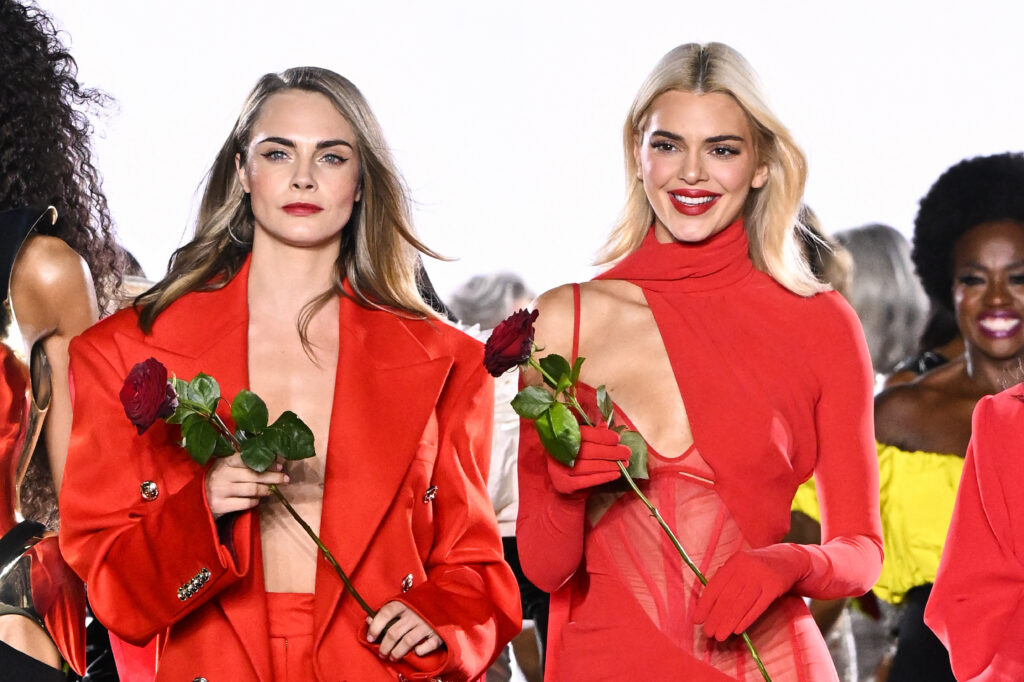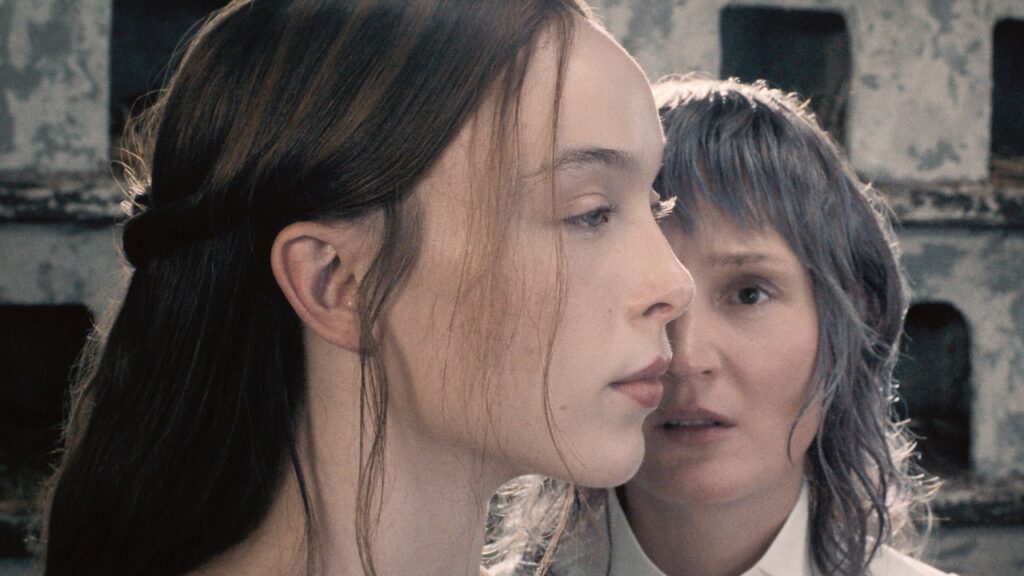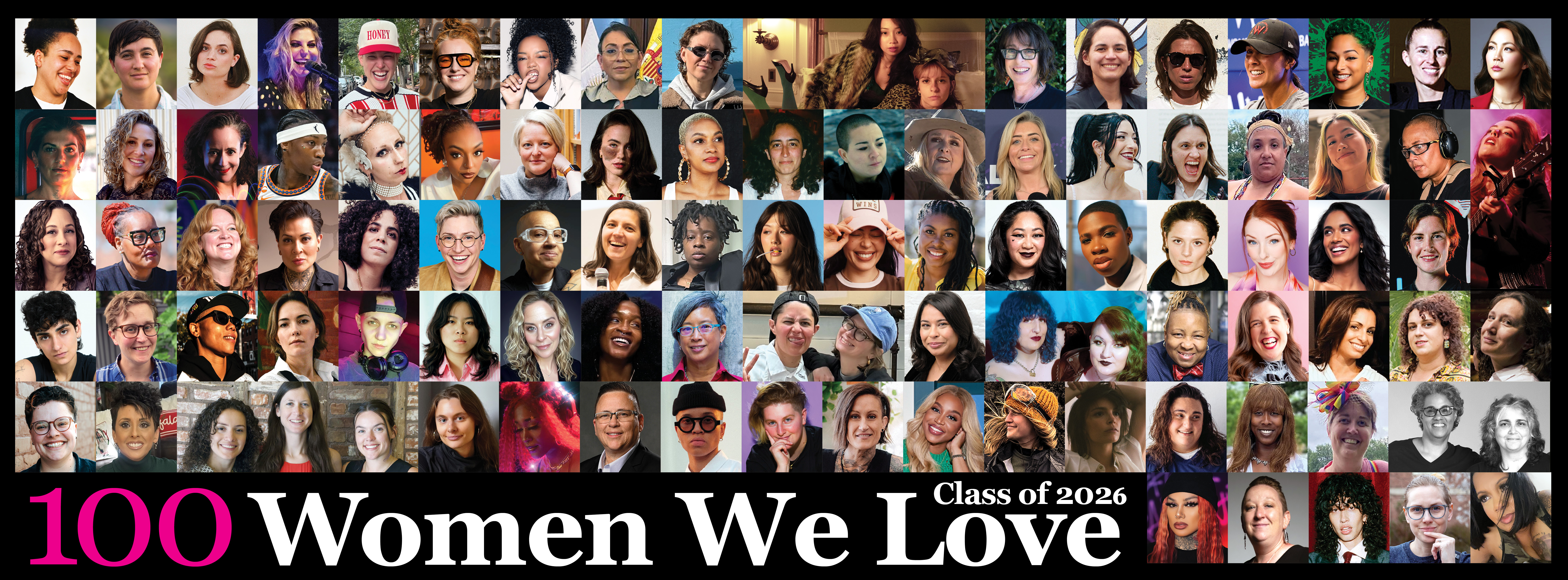


100 Women We Love 2012

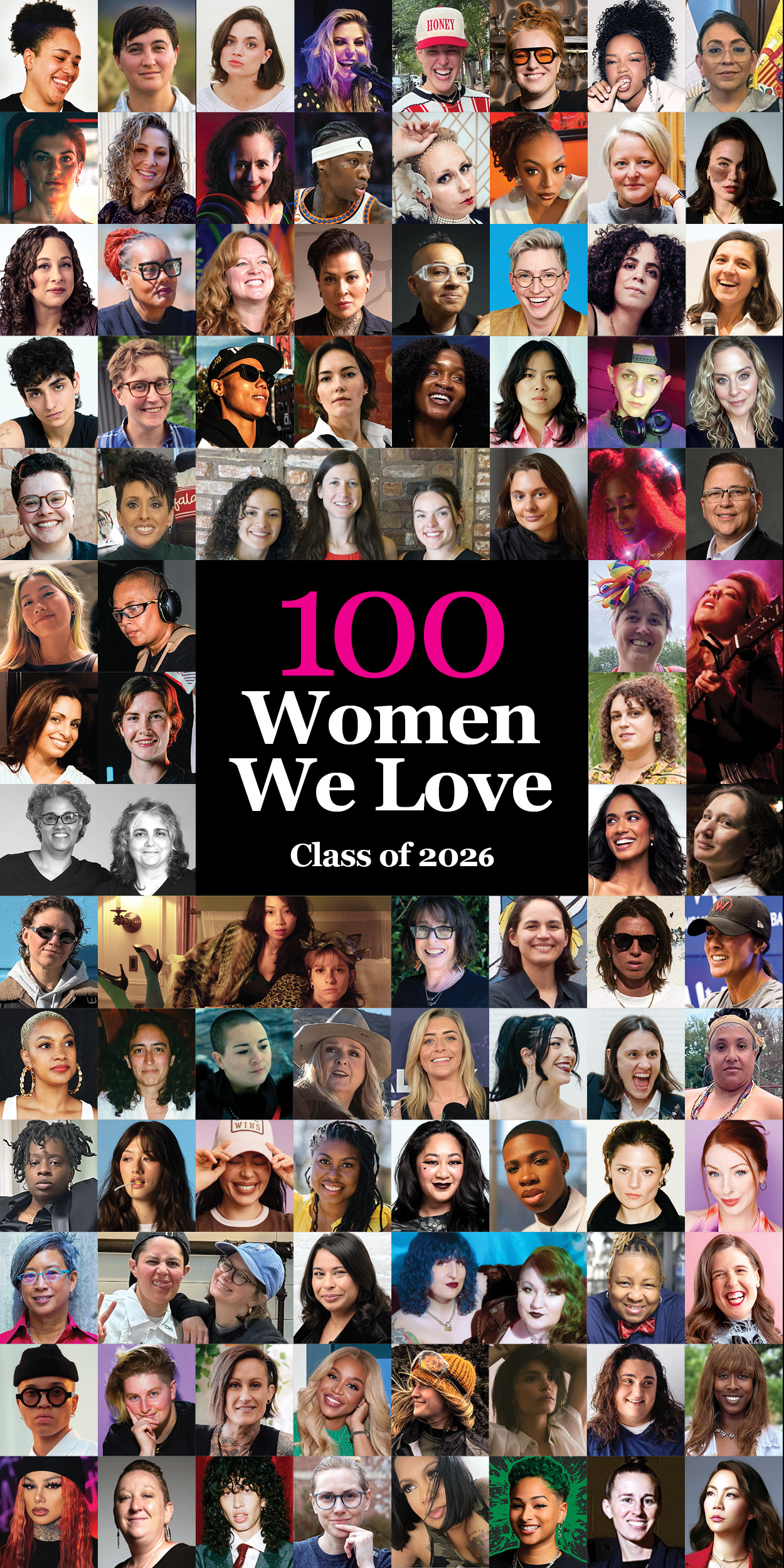
Drum roll, please! We’re excited to present this year’s 100 Women We Love—our most diverse group of out entertainers, artists, athletes, activists, business principals and elected officials yet. Each of these women is a superstar in her own right. Their achievements and contributions shape our lives —and elevate us in the eyes of the world . They’re working to raise LGBT awareness, increase our visibility and quicken our progress toward a just society.
We are extremely proud to present the class of 2012. There are no rankings or numbers. They are all leaders.

Madeleine Lim
“Art is activism—it’s an important part of any social justice movement. Artists need to be seen as leaders, not just the entertainment,” Madeleine Lim says. When she was 23, Lim fled her native Singapore to escape government persecution. Ten years later, she created and directed Sambal Belacan in San Francisco, a documentary film about queer Asian emigrants that is still banned in Singapore. The film’s impact, and her position as one of few queer women of color on the international film scene, prompted her to found Queer Women of Color Media Arts Project (QWOCMAP). “I decided that by training other queer and transgender women of color, we could get more films out into the world. If our community creates our own films, then we have honest representations of who we are instead of destructive stereotypes. It empowers us to tell our own stories.” In addition, Lim’s own award-winning work has been screened in scores of festivals, and she has won dozens of grants and awards; she credits her butch-lesbian identity as the key. “Someone said to me, ‘Are all of your films going to be about Asian lesbians?’ and I said, ‘Well, why not? A number of Woody Allen’s films are about Jewish men in Manhattan, so what’s wrong with that? That’s who I am.”